The Role of Inductive Sensors in Robotics and CNC Machining

The Role of Inductive Sensors in Robotics and CNC Machining
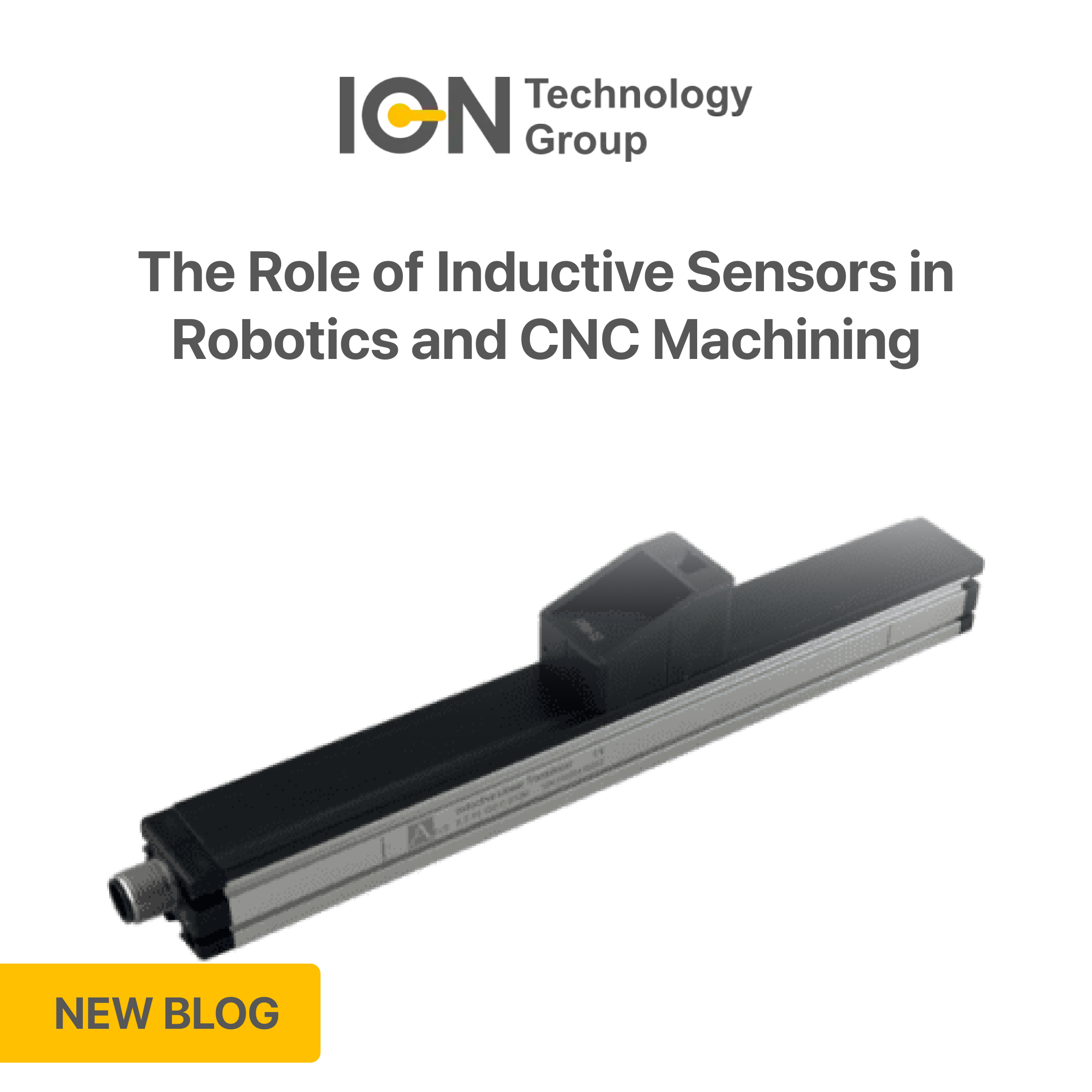
Precision is the heartbeat of CNC machining and robotic assembly. In these environments, components are subjected to high speeds, flying metal swarf, and constant exposure to cooling lubricants. This is where full-metal inductive sensors prove their worth.

Contact-Free Precision

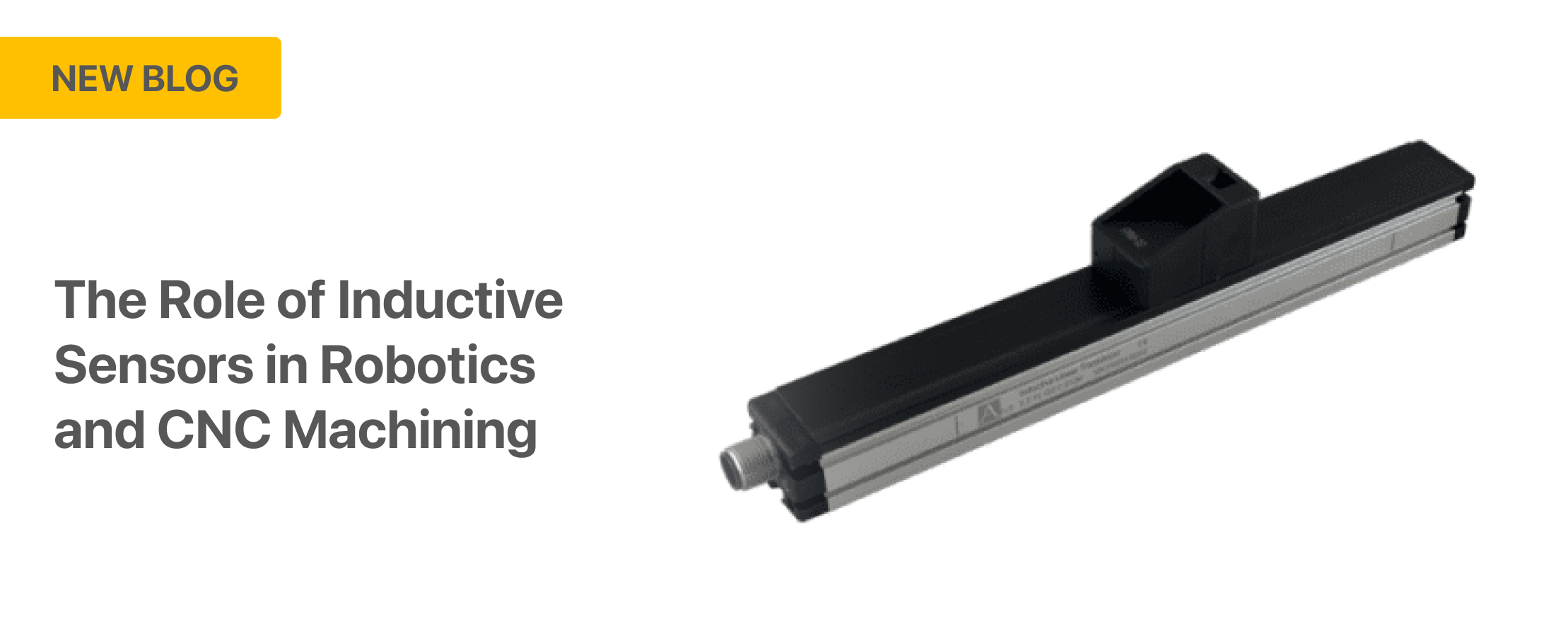
Inductive sensors are used to detect the position of metal parts without physical contact. In a CNC machine, they might be used to confirm that a tool is correctly seated or that a robotic arm has reached its “home” position.

  • Rugged Construction: Di-soric’s full-metal versions are machined from a single piece of stainless steel, making them resistant to the abrasive “sandblasting” effect of metal shavings.
  • Chemical Resilience: They are designed to be submerged in the aggressive oils and coolants used in heavy machining without the housing cracking or the electronics shorting out.

High Switching Accuracy

When a robot is moving at several metres per second, the sensor needs to trigger with sub-millimetre accuracy every single time. High-quality inductive sensors provide the repeatable precision required to prevent “crashes” and ensure every machined part meets its specification.

Protect your high-value robotics and CNC equipment with sensing technology that is as tough as the machines they monitor.