The Importance of Dielectric Strength and Insulation Resistance

The Importance of Dielectric Strength and Insulation Resistance
When discussing electrical components, it is easy to focus on flashy features like processor speeds or screen resolution. However, for the engineers responsible for site safety and Australian Standards compliance, the most critical specs are the ones you can’t see: Dielectric Strength and Insulation Resistance.

What is Dielectric Strength?

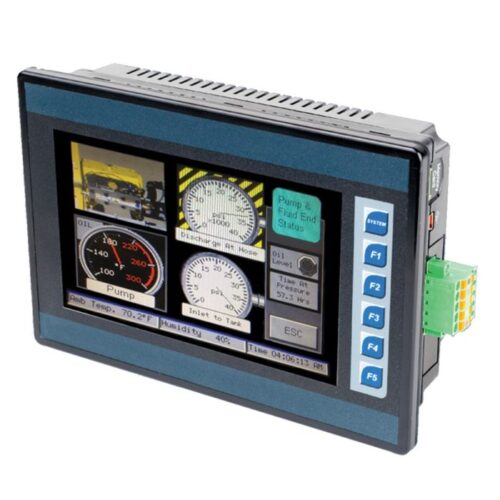
Essentially, this is a measure of an electrical component’s ability to withstand an overvoltage surge without breaking down. Our GMT MSG-156E, for example, undergoes a Dielectric Strength Test of 500VAC for 1 minute. In a country like Australia, where regional power grids can be prone to surges during storms, this rating is your primary line of defence against catastrophic hardware failure.

Understanding Insulation Resistance

While Dielectric Strength is about surviving a surge, Insulation Resistance is about the long-term integrity of the “leakage” protection. High-quality components must maintain a resistance of >50MΩ (500VDC). As insulation degrades over time due to heat and humidity, the risk of short circuits and electrical fires increases.

Why Compliance Matters

Using components that meet EN IEC 61000-6-4:2019 and EN IEC 61000-6-2:2019 ensures that your equipment is both resilient to electromagnetic interference and safe for your staff to operate.

Don’t gamble with electrical safety. Ensure your components meet the rigorous insulation standards required for Australian industrial environments.