In modern industrial control panel design, floor space and physical footprint carry a heavy financial premium. As automated manufacturing lines become more complex, systems integrators are continually tasked with packing higher quantities of field data points into smaller, more compact electrical enclosures.
Traditional fixed-configuration I/O chassis block this path. They force machine builders to purchase rigid blocks of inputs or outputs, which waste valuable space inside the panel and leave unused terminal channels. To break through this design limitation, the automation sector has established decentralised control architectures using a modular layout.
Specifically, shifting to a slice io module system has become the new engineering standard for maximising cabinet space, reducing material overheads, and future-proofing distributed automation layouts.
The Anatomy of Space Optimisation: The Slice Form Factor
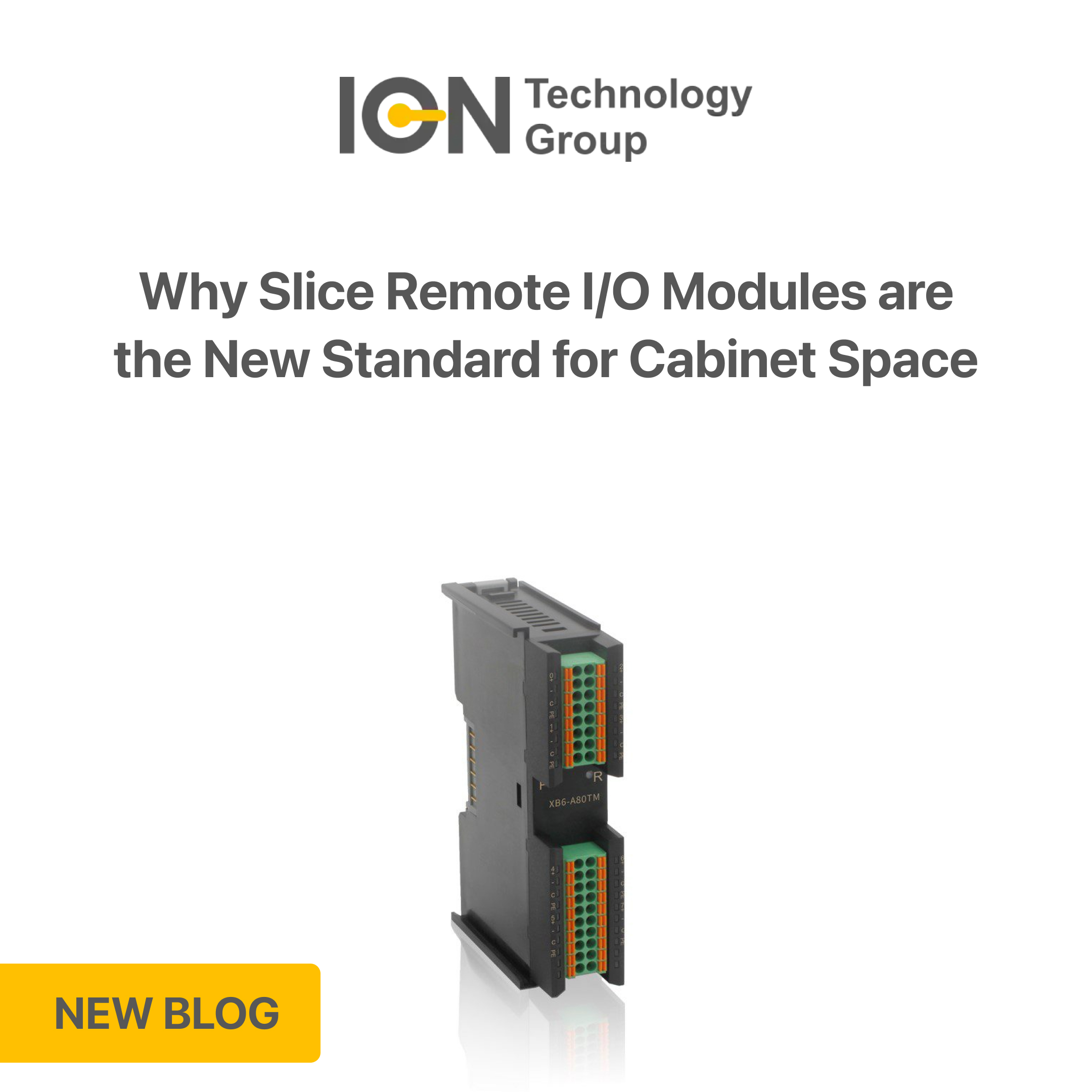
A slice io module layout abandons the traditional, wide block form factor in favor of an ultra-slim, vertical card architecture. The system is built around a centralised bus coupler or head station that snaps directly onto a standard 35mm DIN rail.
Individual high-density functional cards—often measuring just 12mm to 15mm in width—are then clipped sequentially onto the side of the bus coupler. The mechanical electrical connections are automatically established along an internal backplane bus as each card slashes into place.
This modularity offers immediate, tangible spatial advantages for decentralised control setups:
- Elimination of Dead Channels: Traditional blocks require you to purchase fixed densities (e.g., a 16-channel digital input block). If your machine only requires 9 inputs, 7 channels sit empty, consuming vital rail space. Slice systems allow you to add the exact card density required for the field instrument layout.
- Ultra-High Terminating Density: Modern slice cards utilise advanced spring-cage push-in connectors, allowing up to 8 or 16 distinct signal terminations on a single vertical slice, squeezing maximum connectivity into a fraction of the traditional panel footprint.
- Vertical Integration Advantage: The narrow, vertical footprint allows these systems to fit neatly into shallow local junction boxes positioned directly on the machine frame, completely eliminating the need for a massive, central floor-mounted enclosure.
Dynamic Signal Configurations on a Single Node
Beyond saving physical real estate, modular remote systems allow engineers to handle diverse electrical signals within a highly compact operational profile.
Instead of configuring separate communication nodes for different signal types, a single bus coupler acts as the universal translator for a highly tailored mix of distributed hardware:
Standard 35mm DIN Rail Layout |
EtherCAT / Bus | 8-Ch Digital In | 8-Ch Digital Out | 4-Ch Analogue In | End Terminal |
Coupler Head | (DI Slice Card) | (DO Slice Card) | (AI Slice Card) | (Bus Stop) |
[Width: ~30mm] | [Width: ~12mm] | [Width: ~12mm] | [Width: ~12mm] | [Width: ~8mm] |
<————– High-Density Slice Backplane Expansion ————–> |
This flexibility allows a technician to snap a digital input card, a 4-20mA analogue output card, and a thermocouple temperature slice immediately adjacent to one another on the exact same rail node.
This high density matches perfectly with advanced factory environments where field instruments, proximity switches, and pneumatic valve manifolds must be aggregated locally before transmitting data over a high-speed industrial network.
Thermal Efficiency and Reliability in High-Density Panels
When components are packed tightly together, heat accumulation becomes a primary threat to long-term hardware reliability. Traditional high-density blocks consolidate multiple power circuits into a single, enclosed housing, creating localised hot spots that accelerate component degradation.
Slice systems naturally mitigate this issue through their physical configuration. Because the I/O channels are distributed across individual, isolated cards, heat is spread evenly across a wider surface area.
Furthermore, high-quality slice modules are engineered with passive cooling slots built into their slim vertical chassis. This design allows heat to dissipate naturally via convection without requiring internal fans that draw in dust and oil mist from the factory floor, ensuring stable operation even in uninsulated environments.
Seamless Engineering with Integrated Software Libraries
Transitioning to a highly modular slice configuration introduces no extra complexity during system commissioning if your platform utilises an open programming environment. The modular architecture maps directly into CODESYS.
Because CODESYS treats each slice as a sub-module of the main fieldbus coupler, engineers can drag, drop, and rearrange individual slice profiles within the software network tree to match the physical rail configuration.
Variables are mapped natively to specific channels, and online diagnostic features allow maintenance teams to trace open circuits or shorted sensors down to the individual slice card, streamlining troubleshooting without requiring external network configuration software.
The Final Verdict
For modern machine builders and automation engineers, clinging to bulky, fixed-block I/O setups is a costly design choice. Implementing a slice io module configuration ensures that your control layout remains lean, efficient, and exceptionally compact. By bringing high-density connectivity right to the machine edge via decentralised control, you clear cable chaos out of your enclosures, reduce enclosure material costs, and build a scalable foundation that can expand seamlessly as your operations grow.
Ready to optimise your enclosure layout and eliminate wasted rail space? Get in touch with the experts at ION Technology Group today!