For commercial solar installers, electrical contractors, and facility managers across Australia, grid connection approval from Distribution Network Service Providers (DNSPs) comes with strict regulatory strings attached. To protect local grid stability from voltage spikes and reverse power flow, DNSPs frequently mandate a hard cap on how much solar energy a commercial facility can feed back into the utility network.
Failing to comply with these grid-mandated constraints can result in heavy financial penalties or immediate disconnection from the network. To achieve compliance without artificially dampening your renewable investment, solar systems integrators must design dynamic, hardware-enforced control systems.
Utilising a dedicated, high-speed network analyser paired with advanced power logic has become the industry-standard framework for managing a complex solar export limit solution while squeezing maximum self-consumption out of your photovoltaic (PV) array.
The Architecture of Dynamic Export Limitation
A passive or fixed export limit is financially counterproductive; it permanently throttles your solar inverters to a minimum baseline, wasting clean solar energy during peak generation hours. A dynamic system, conversely, continuously balances solar generation against real-time facility energy demand.
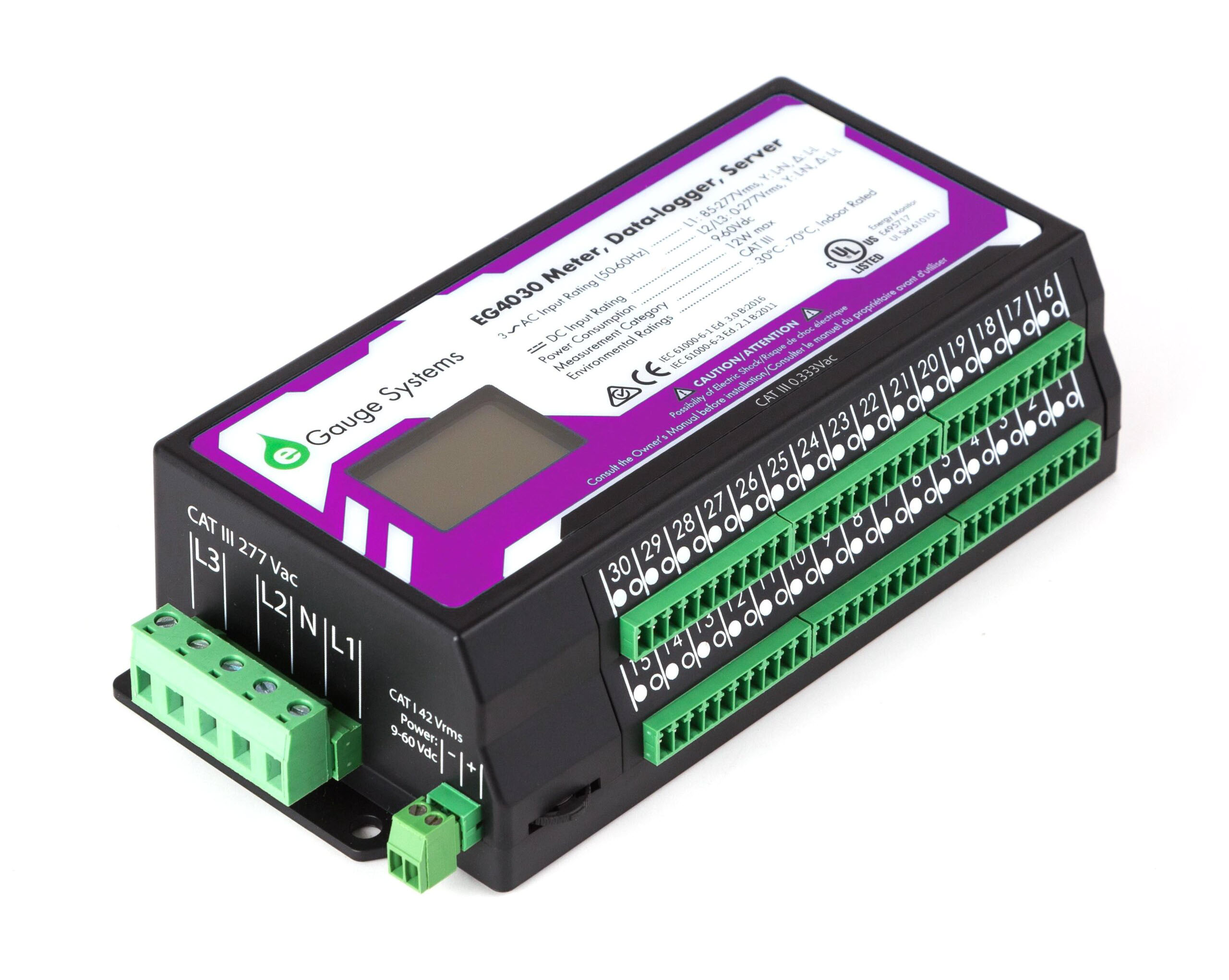
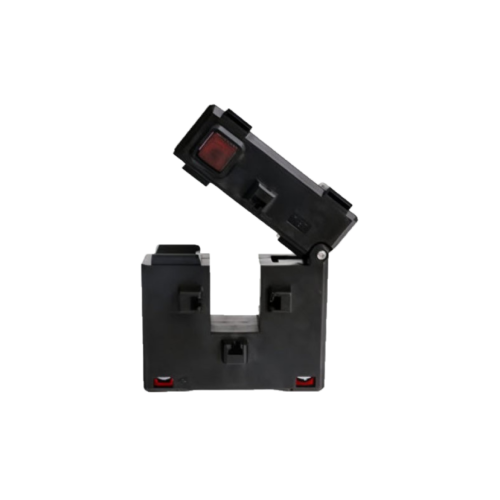
At the core of this system is the network analyser, permanently positioned at the main incomer point where the utility grid hooks into the facility’s primary switchboard. The analyser continuously samples true RMS voltage, current, and active power (kW) directional vectors at the sub-millisecond level.
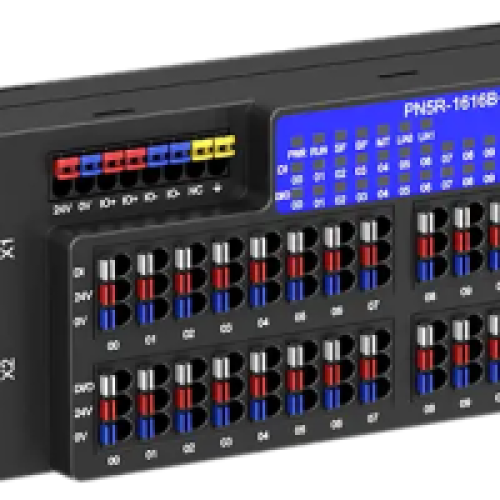
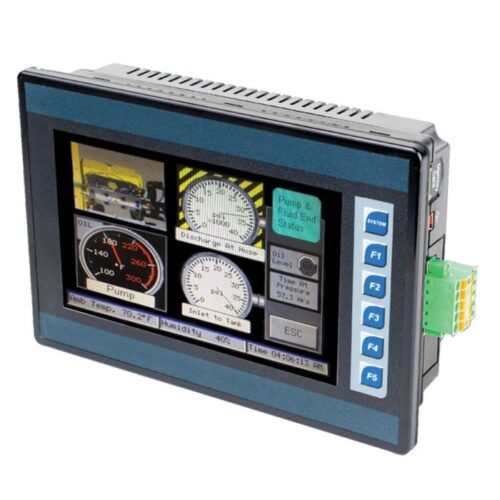
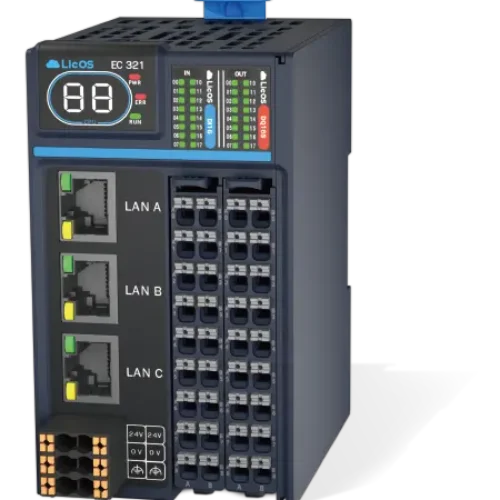
If facility power consumption drops (e.g., during a lunch break or weekend shutdown) and net power flow begins trending toward the grid beyond the approved solar export limit, the analyser immediately flags the change. It transmits high-speed data registers to the central control PLC, which commands the solar inverters to curtail their output instantly to maintain a safe net-zero or restricted-export balance.
Critical Technical Features of Compliance-Grade Analysers
When specifying hardware to satisfy strict Australian utility connection standards, a standard multi-function meter is inadequate. The selected network analyser must possess specific industrial-grade processing capabilities:
- True Four-Quadrant Measurement
Solar export tracking demands bi-directional energy measurement. The analyser must clearly differentiate between imported grid energy (+kW) and exported solar energy (-kW) across all three phases independently. High-tier units, like the UPM209, execute accurate four-quadrant tracking, calculating both active power and reactive power components (kVAr) to monitor power quality simultaneously.
- Sub-Second Network Latency
DNSPs often mandate that export control systems react to load drops within a tight time window—frequently under two seconds. If an industrial machine suddenly turns off, your monitoring system cannot afford to wait for slow polling cycles. The analyser must support high-speed data transmission over RS485 Modbus RTU or Modbus TCP, enabling the controller to read register updates and adjust inverter parameters with zero communication lag.
- High Harmonic Tolerance and Precision
Commercial switchboards are notoriously noisy electrical environments, packed with non-linear loads like variable speed drives (VSDs) and LED lighting arrays. This harmonic distortion can blind lower-tier meters, leading to measurement drift and false export triggers. Compliance-grade analysers feature high-frequency sampling rates that capture total harmonic distortion (THD) up to the 15th or 31st order, ensuring the baseline power calculations remain perfectly accurate.
Streamlining Compliance via Unified Automation Platforms
The software configuration layer can become a massive bottleneck when linking network meters to different brands of commercial solar inverters. Open industrial platforms eliminate this integration friction by utilising standardised programming environments like CODESYS.
Because CODESYS incorporates native communication stacks for industrial networks, programmers can import pre-built device descriptors for advanced network analysers directly into the project tree. The energy registers—such as real-time total active power—are mapped directly into global logic variables.
The PLC can then execute PID control loops that compute the exact curtailment percentage required and send those commands directly to the inverters via Modbus or SunSpec protocols, providing a clean, single-software compliance solution without requiring complex custom code scripts.
Summary and Hardware Execution
Enforcing a rigid solar cap protects your grid connection agreement and safeguards local electrical infrastructure from over-voltage faults. By selecting a highly precise, low-latency analyser, you remove the engineering risk from compliance audits and build a resilient energy matrix that maximises the return on your commercial solar asset.
Ready to secure your grid connection and finalise your solar control panel layout? Reach out to the experts at ION Technology Group today!