Moving from Serial to Ethernet: Why Your Factory Floor Needs a Language Upgrade

Moving from Serial to Ethernet: Why Your Factory Floor Needs a Language Upgrade
In many Australian manufacturing plants, there is a “silent divide.” On one side, you have modern office networks running on high-speed Ethernet. On the other, you have reliable but ageing machinery communicating via serial protocols like RS-232 or RS-485.

If your data is trapped in these “islands of automation,” you are missing out on the real-time insights that drive modern profitability.

The Problem with Serial

While serial communication is robust, it is fundamentally limited. It is often slow, allows for only point-to-point or small network connections, and makes it incredibly difficult to get data into a centralised reporting system.

The Ethernet Advantage

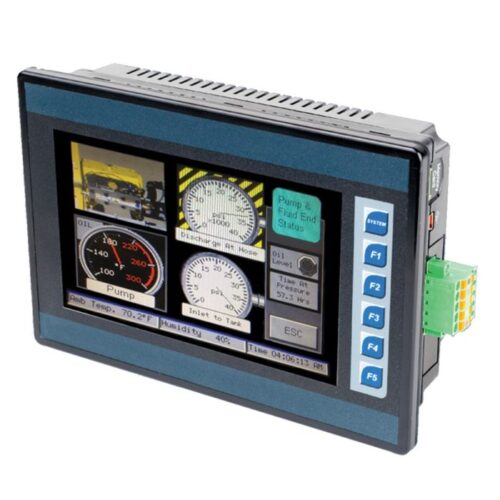
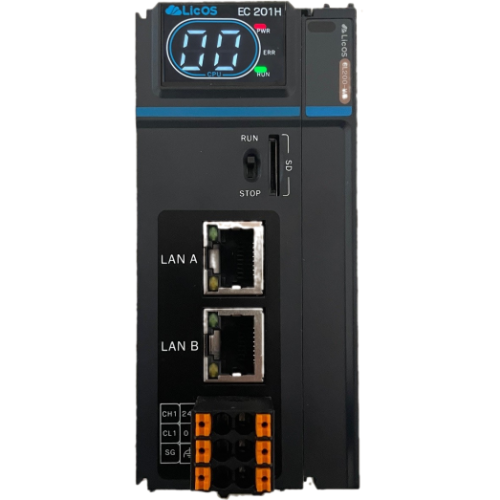
Moving to Industrial Ethernet isn’t just about speed; it’s about accessibility. By using an HMI like the GMT MSG-156E, which features both legacy COM ports and a high-speed Ethernet port, you create a digital bridge.

  • Remote Monitoring: View your machine’s status from a PC in the front office or even via a secure VPN.
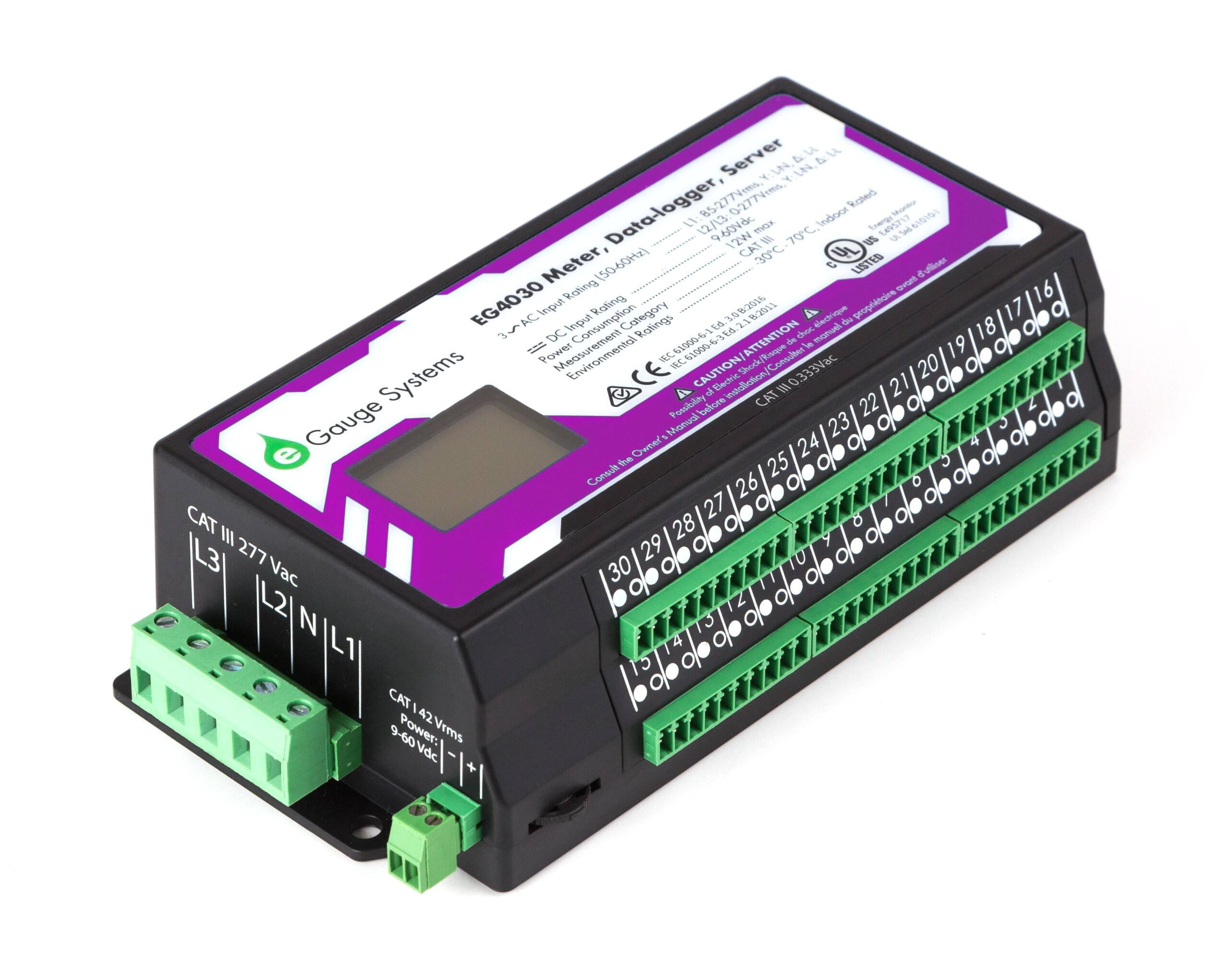
  • Simplified Cabling: Use standard Cat6 cabling and switches rather than custom serial leads.
  • Scalability: Easily add more devices to the network without complex rewiring.

The ION Verdict: You don’t need to replace your entire machine to get it onto the network. By upgrading the interface to a dual-protocol HMI, you can modernise your data collection while keeping your proven mechanical hardware in place.

Is your data stuck in a serial bottleneck? Let ION Technology Group show you how to bridge the gap to Ethernet.