Logic in the Field: Decoupling Control from the Main PLC

Logic in the Field: Decoupling Control from the Main PLC
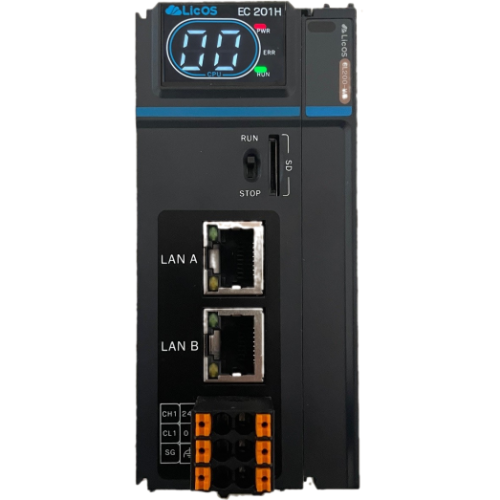
In traditional automation, every single decision—no matter how small—is made by the central PLC. The sensor sends a signal, the PLC processes it, and the PLC sends a command back. In complex systems, this can lead to network congestion and slight delays (latency).

The Rise of Decentralised Logic

Modern smart sensors, such as those in the di-soric portfolio, are now capable of “Logic in the Field.” This means the sensor itself can be programmed to perform simple tasks locally.

Example: The Counter Logic Instead of the PLC counting every single bottle on a high-speed conveyor, a di-soric sensor can be programmed to count to 12 and only signal the PLC when a full dozen has passed.

The Benefits of Local Control

  • Reduced Network Traffic: Fewer signals flying back and forth to the main controller.
  • Faster Response: For high-speed applications like rejection gates, a local sensor-to-actuator signal is significantly faster than waiting for a PLC scan cycle.
  • System Resilience: If the main network has a minor hiccup, the local logic can often safely complete a cycle or bring a sub-section to a controlled stop.

The ION Verdict

By “decoupling” simple logic from your main PLC, you create a more agile and responsive automation system.

Is your PLC working harder than it needs to? Discover the power of smart sensing with ION Technology Group.