In the modern Australian commercial and industrial landscape, rising utility costs and strict corporate sustainability mandates have transformed energy visibility into a core operational priority. Traditional facility setups that rely solely on a single utility billing meter at the main switchboard leave companies blind to where their power is actually going.
To identify inefficiencies, eliminate peak demand penalties, and accurately allocate operational costs, facilities are rapidly adopting precision sub-metering strategies.
Implementing high-performance energy meters and advanced network analysers allows engineering and management teams to track real-time consumption data, optimise power factor variables, and build a highly responsive, data-driven energy management ecosystem.
What is Industrial Sub-Metering?
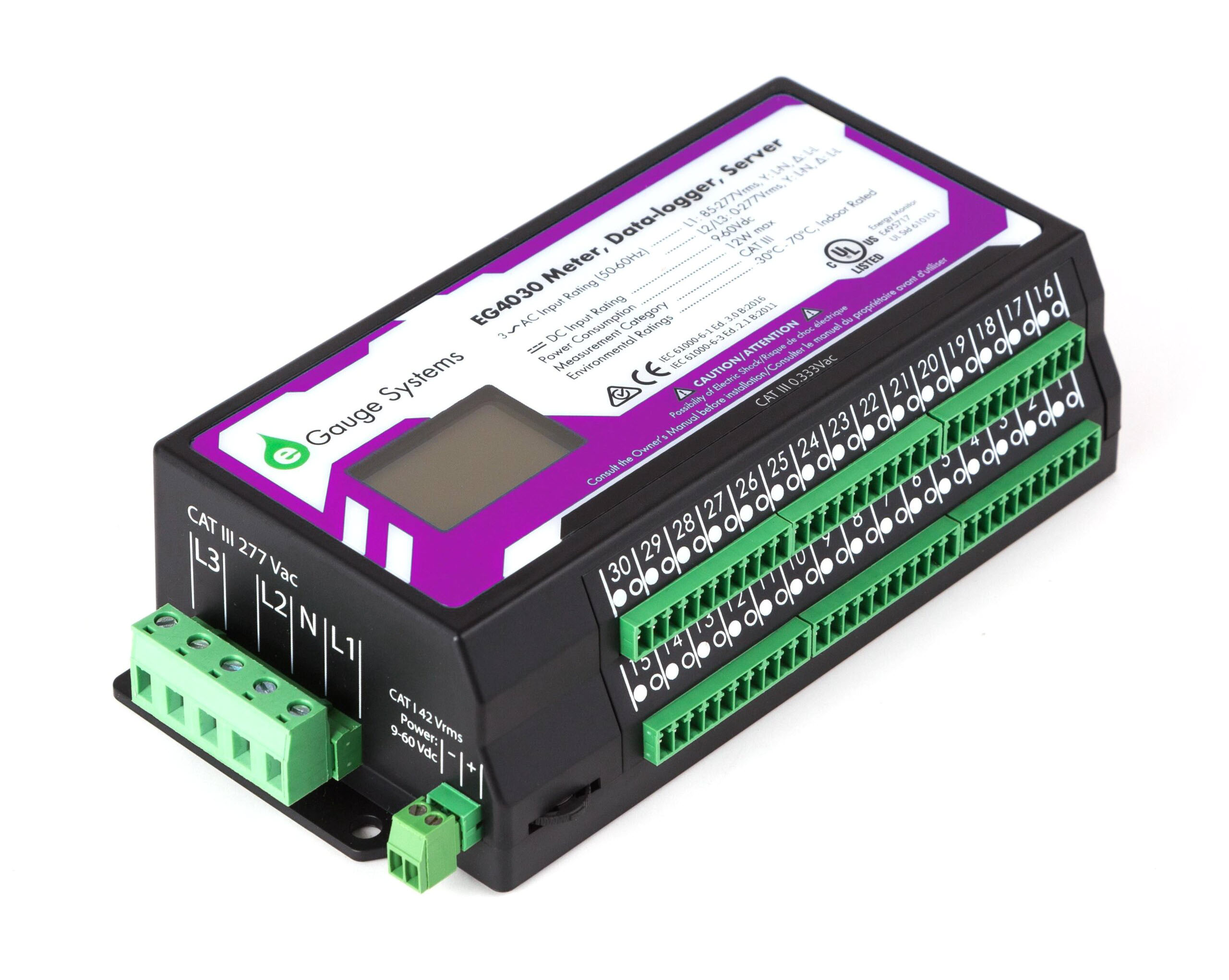
Sub-Metering is the practice of installing secondary tracking devices downstream from the main utility billing meter. Rather than treating a large manufacturing plant, data centre, or high-density commercial high-rise as a single electrical load, sub-metering breaks the facility down into its core operational components.
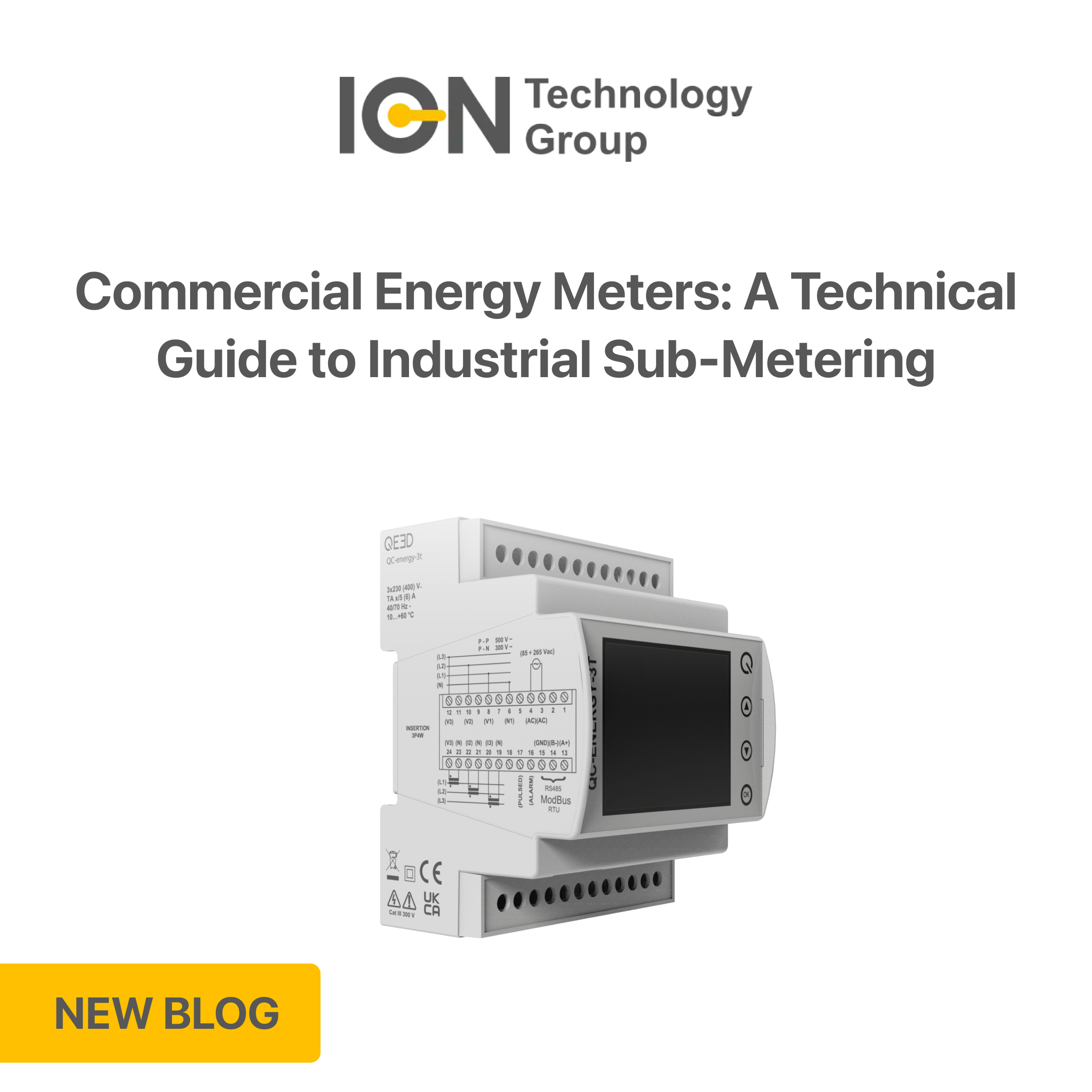
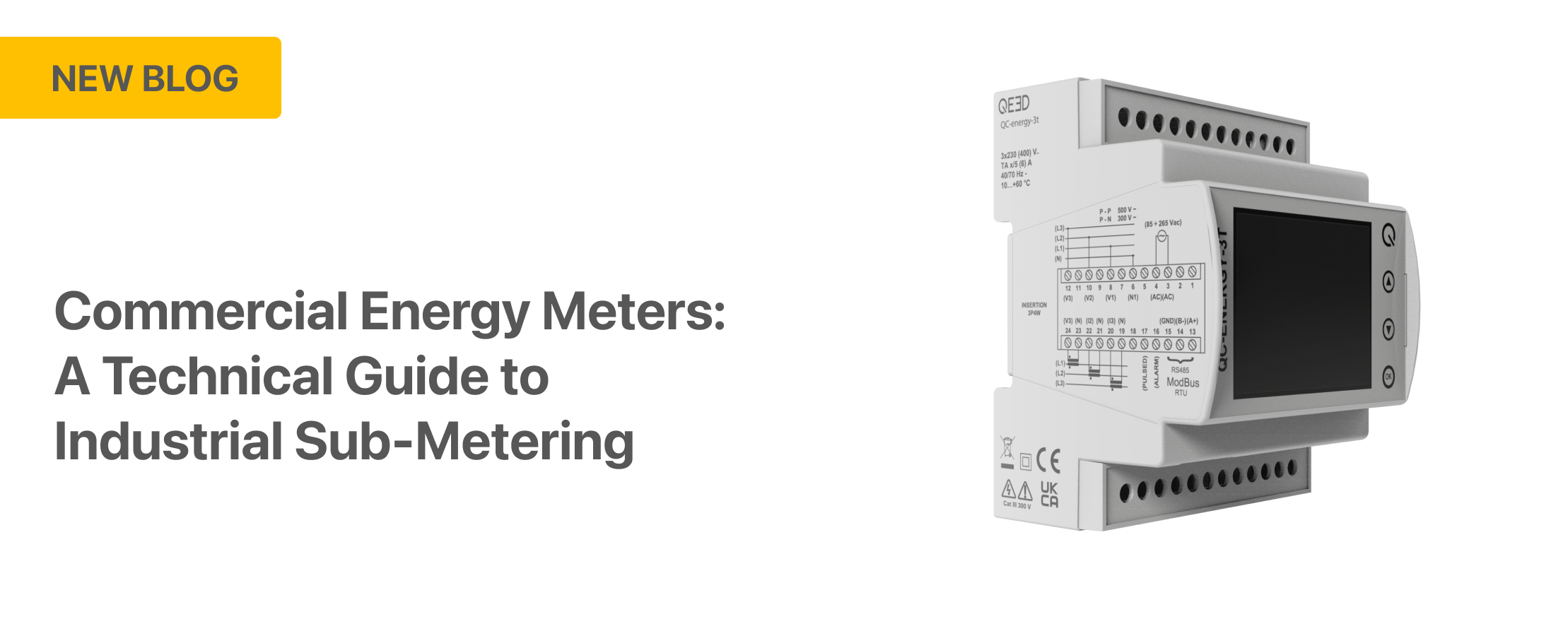
By monitoring specific high-draw sub-circuits—such as industrial refrigeration plant loops, HVAC chillers, heavy-duty air compressors, or distinct production lines—a smart energy meter system captures highly granular, time-stamped electrical data. This data is transmitted across an industrial fieldbus network to a central SCADA or building management system (BMS), providing operators with a continuous, comprehensive map of facility power dynamics.
Technical Selection Criteria for High-Performance Meters
Selecting the appropriate metering hardware requires a careful match between your facility’s physical constraints and your data analysis goals. Engineers should prioritise several key technical parameters during the specification phase:
1. Parameter Tracking Capabilities
Basic multi-function meters only record total kilowatt-hours (kWh). For comprehensive industrial power analysis, modern hardware must capture a much broader array of electrical variables:
- True RMS Voltages and Currents: To maintain measurement precision even in electrically noisy environments filled with variable speed drives (VSDs).
- Active, Reactive, and Apparent Power (kW, kVAr, kVA): Essential for computing exact power factor metrics and avoiding utility reactive power penalties.
- Harmonic Distortion Tracking (THD): Monitoring total harmonic distortion up to the 31st or 63rd order to safeguard sensitive machinery from premature component degradation caused by electrical noise.
2. Communication Interface Architecture
A standalone meter displaying numbers on a screen provides limited value to an automated facility. The meter must be natively fluent in industrial communication protocols to stream its datasets to your control layer. The most common standard communication options include:
- Modbus RTU / Modbus TCP: The universal industrial benchmark for straightforward integration into almost any PLC or SCADA system.
- BACnet/IP: The default standard for direct data integration into commercial Building Management Systems (BMS).
- MQTT / REST APIs: Emerging standards for routing energy data straight from an edge device to cloud-based corporate sustainability dashboards.
3. Current Transformer (CT) Input Dynamics
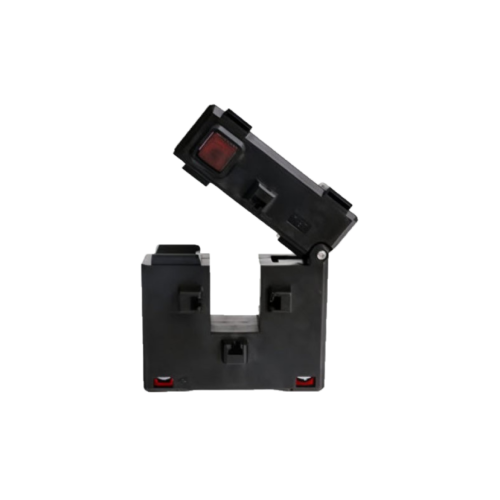
The meter’s physical hardware must match the field sensor strategy deployed inside the switchboard panel. High-tier meters support multiple input formats, ranging from traditional 5A or 1A secondary current loops to safe, low-voltage 0-333mV AC millivolt inputs. Modern smart units also feature direct connections for flexible Rogowski coils, incorporating the necessary signal integration circuitry directly behind the meter faceplate to save vital space on the DIN rail.
Structural Advantages: Smart vs. Legacy Tracking
Upgrading your electrical infrastructure from basic digital readouts to an interconnected network analyser framework yields immediate analytical and operational advantages:
System Capability | Legacy Digital Panel Meters | Connected Smart Energy Meters |
Data Logging Depth | None (Real-time snapshot only) | Extensive on-board memory logs |
Network Integration | Isolated, standalone unit | Native Fieldbus & Cloud links |
Harmonic Analysis | Fundamental frequency only | Detailed multi-order THD tracking |
Alarm Trigger Thresholds | Manual visual checks required | Automated email / SMS alerts |
Cost Allocation Utility | Estimates & rough guesses | Verifiable, granular tracking |
Streamlining Software Configuration with Open Standards
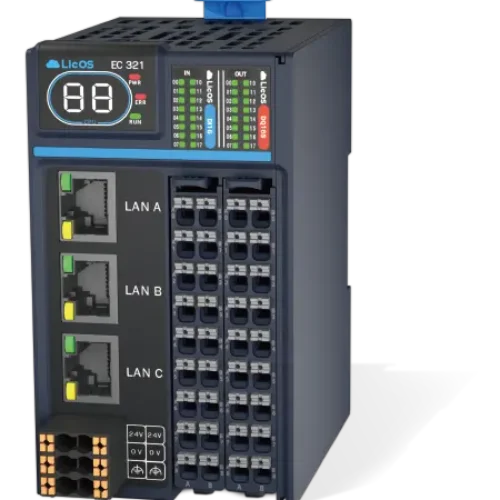
Integrating multiple distributed sub-meters into a cohesive monitoring system can present significant software bottlenecks if the underlying architecture relies on closed, proprietary ecosystems. Modern, open control platforms resolve this complexity by using universal programming environments like CODESYS.
Because CODESYS features native libraries and pre-built device descriptors for advanced industrial power meters, engineers can rapidly map energy registers directly into global control logic. This unified software approach allows programmers to configure meter variables, track live power trends, and execute automated load-shedding commands all within the same software space—completely eliminating the need for complex, third-party middleware converters.
The Final Verdict
For modern commercial and industrial facilities, operating without detailed energy visualisation is an unnecessary operational risk. Implementing a robust sub-metering infrastructure built around high-precision energy meters and advanced network analysers empowers engineering teams to stop guessing and start measuring. By capturing granular electrical data right at the sub-circuit edge, you can pinpoint operational leaks, secure grid compliance, and build a highly efficient, future-proof industrial facility.
Ready to design a grid-compliant tracking system or establish a comprehensive sub-metering network across your commercial assets? Contact the team at ION Technology Group today!