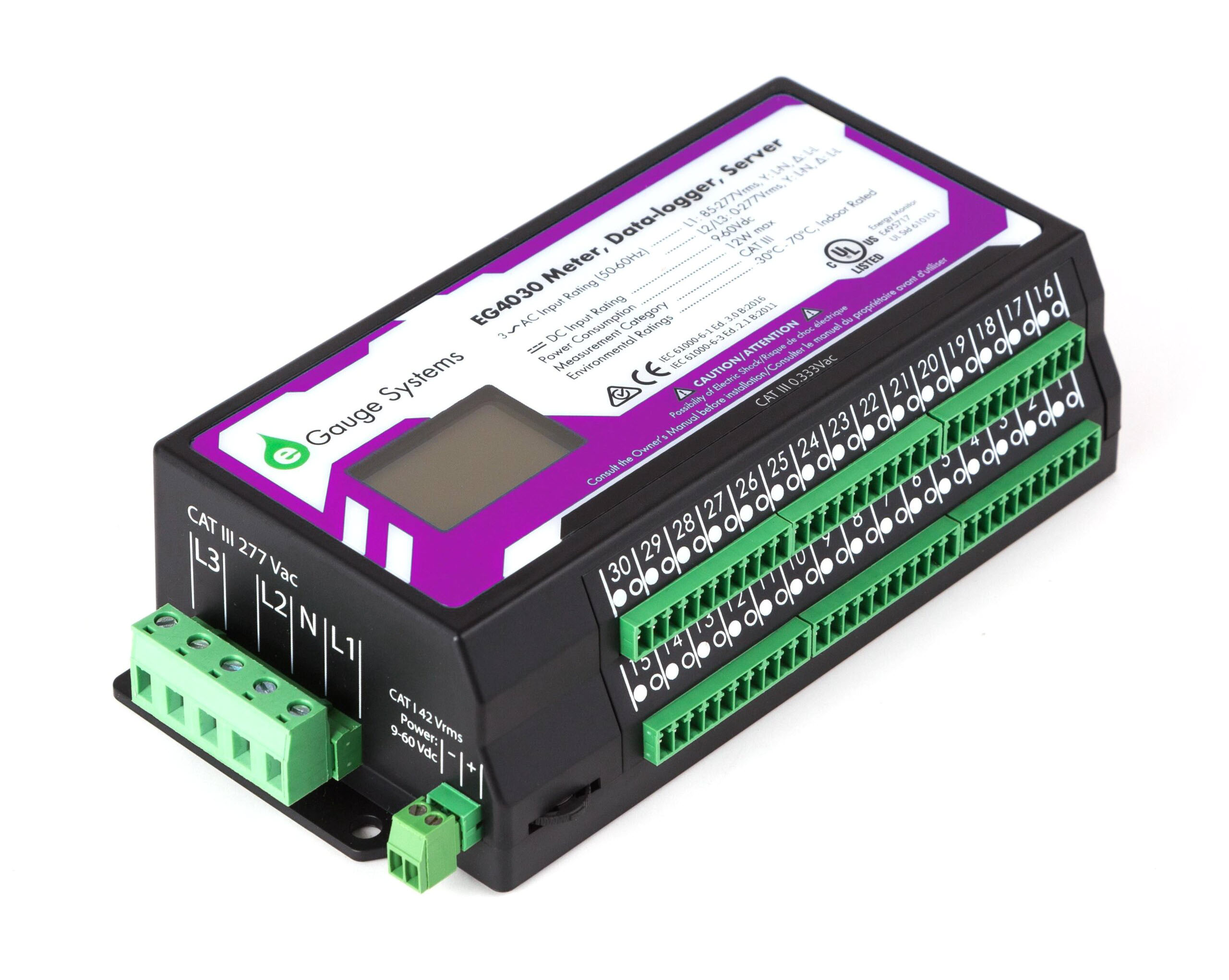
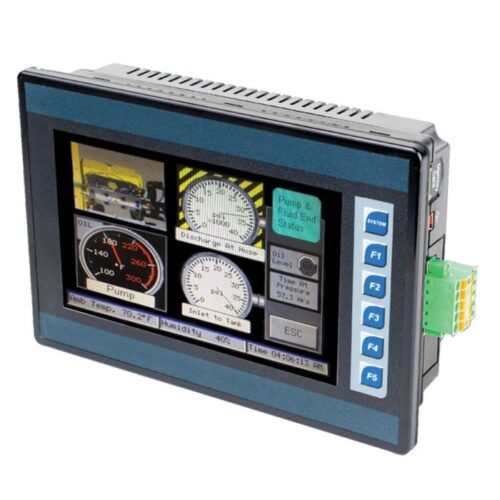
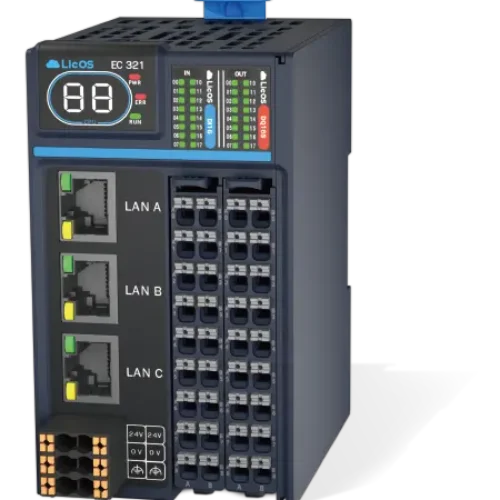
In modern industrial design, we are seeing a paradoxical trend: control cabinets are getting smaller, yet the logic requirements for Australian production lines are getting larger. Traditionally, an automation setup required a separate PLC (the “brain”) mounted on a DIN rail and an HMI (the “face”) mounted on the cabinet door.
But why waste budget and physical space on two separate devices, extra mounting rails, and the headache of complex inter-unit wiring? The “All-in-One” revolution is here, and it is fundamentally changing how we build control systems.
Reducing Point-to-Point Failure
Every wire in a control cabinet is a potential failure point. In traditional setups, the PLC and HMI must communicate via a serial or Ethernet cable. In high-vibration environments—such as timber mills, quarries, or heavy packaging lines—these cables can rattle loose or degrade over time, leading to “Comms Loss” errors that shut down your entire operation.
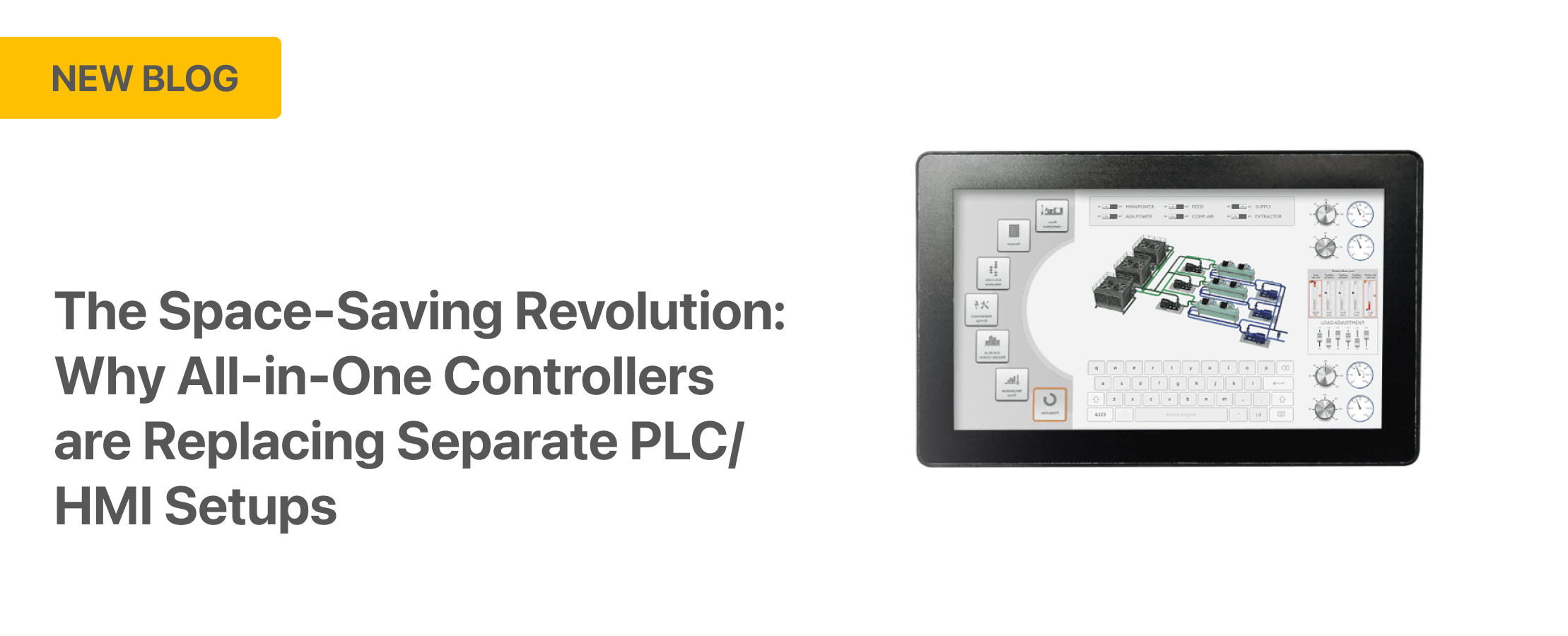
By using an all-in-one unit you eliminate that external communication cable entirely. The connection between the logic engine and the display is internal and hardwired. If the screen is on, the PLC is talking to it. It’s that simple.
Maximising Cabinet Real Estate
Cabinet space is expensive. A larger electrical enclosure doesn’t just cost more to buy; it takes up more footprint on the factory floor and requires more cooling.
By moving the I/O and logic processing to the back of the HMI, you free up significant DIN rail space. This “empty” space can then be used for essential power supplies, motor starters, or safety relays, allowing you to use a much smaller, more cost-effective enclosure. For Australian contractors, this also means less time spent drilling, mounting, and trunking cables between the door and the backplate.
The Bottom Line for Australian Businesses
For the practical Australian business owner, the shift to All-in-One controllers is an easy decision to make. It represents a significant saving on hardware costs, a reduction in labour hours for wiring, and a much cleaner, more reliable cabinet design.
In a market where efficiency is everything, why stick to the “two-box” method of the past when you can have a single, streamlined solution?