Understanding IP Ratings: Is Your Hardware Actually Protected?

Understanding IP Ratings: Is Your Hardware Actually Protected?
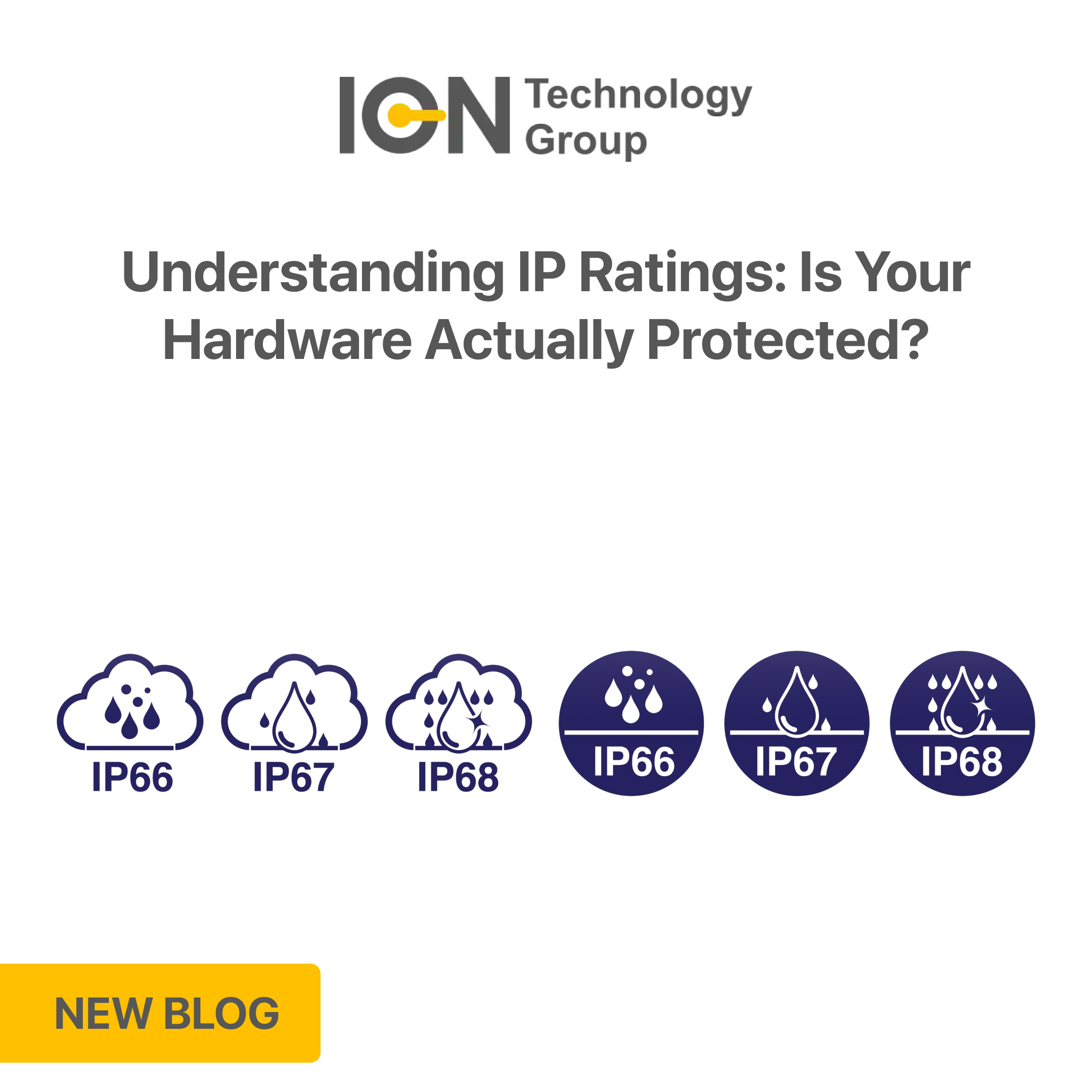
“Is it waterproof?” It’s a common question, but in the Australian industrial sector, the answer needs to be much more specific. Whether you are operating a food processing plant in Queensland or a mining site in the Pilbara, understanding IP (Ingress Protection) ratings is vital for hardware longevity.

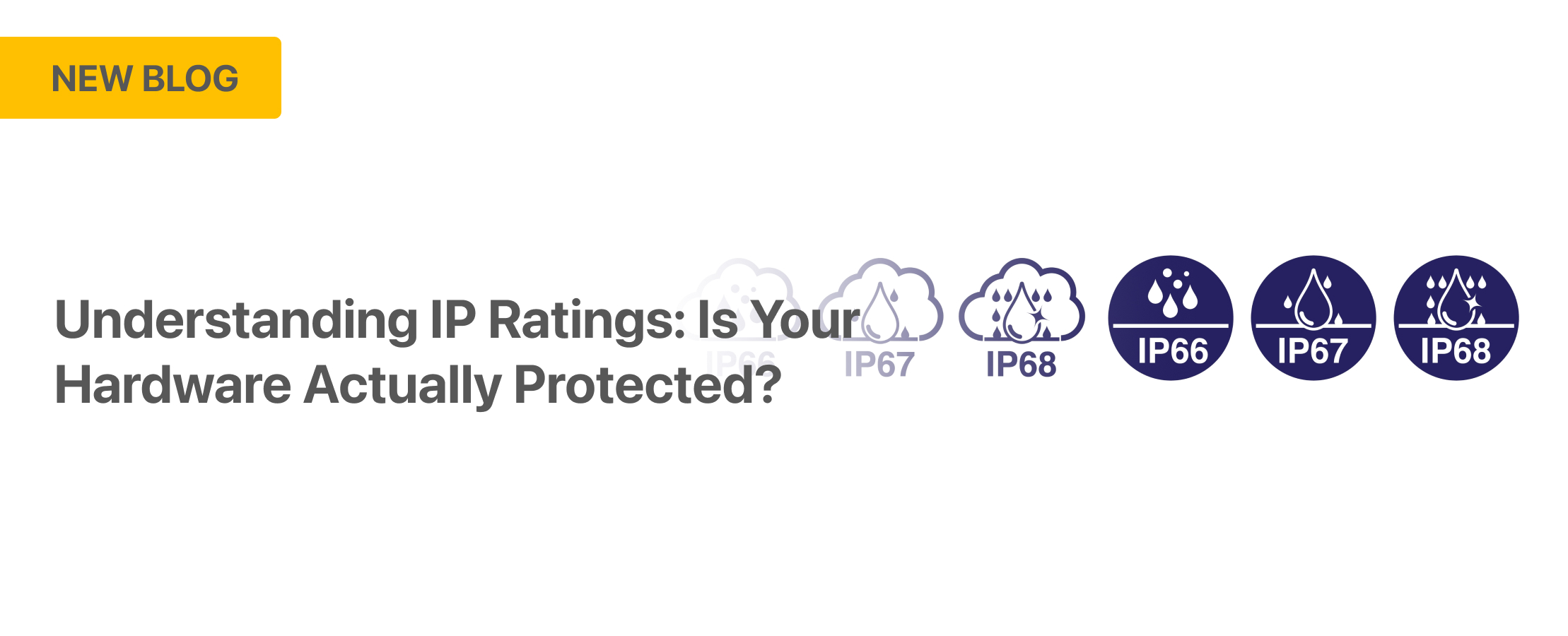
Deciphering the Code

An IP rating consists of two digits. The first (0–6) rates protection against solid objects and dust. The second (0–9) rates protection against liquids.

  • IP65: This is the standard for most quality HMIs, like the GMT range. It is dust-tight and protected against water jets from any angle. It is perfect for general factory environments.
  • IP67: This allows for temporary immersion in water. Essential for equipment that may sit in pits or areas prone to minor flooding.
  • IP69K: The “Gold Standard” for the Australian food and beverage industry. This rating signifies protection against high-pressure, high-temperature washdowns.

Why It Matters for Your ROI

Choosing a component with an insufficient IP rating leads to “creep”—the slow ingress of moisture or fine dust that eventually corrodes internal circuits. Conversely, over-speccing can lead to unnecessary expenditure.

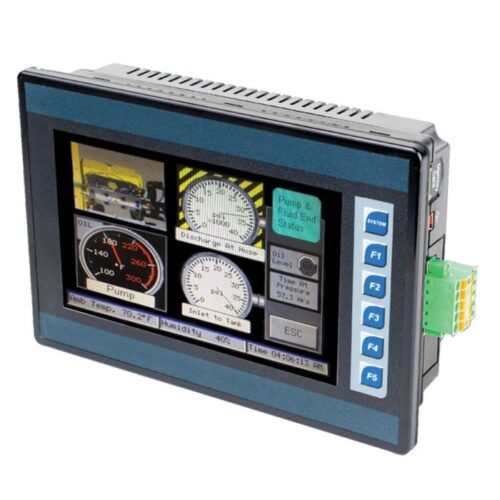
At ION, we help our clients match their hardware to their actual environmental reality. For example, our GMT MSG-156E features an IP65-rated front panel, specifically designed to be mounted into a cabinet to provide a seal that keeps the internal electronics safe while allowing the interface to be cleaned regularly.

Protect your investment by ensuring your hardware matches your environment. Contact ION Technology Group for advice on IP-rated enclosures and interfaces.